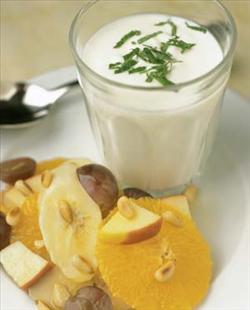
Whatever we eat affects our bodies. Our eating habits everyday to determine the general condition of body and mind. To keep our bodies healthy and energetic we have to focus on just the right amount of nutrients your body needs. Obviously, a balanced diet will keep you healthy.
A healthy diet contains all the essential components for better health. Carbohydrates, minerals, fats, fiber, vitamins and proteins will make a healthy balanced diet. This component is consumed in the form of fruits, vegetables, cereals, minerals and water. Loss of one component could interfere with your healthy lifestyle.
How this component gives you better health:
Carbohydrates : Carbohydrates provide energy for our bodies. Of course, no one's energy can not work both physically and mentally. Especially if you are short of carbohydrates in the body of the fatigue life will hit you. Your daily diet should contain 50-60 percent carbohydrates.
Minerals : Minerals are necessary for proper functioning of the body. Daily consumption of minerals needed for our body can not manufacture its own minerals.
Protein : Protein plays an important role for the protein allows the body to perform routine functions. The right amount of protein in our body helping to fight some infections.
Fat : This is a big misconception among a limited circle of unhealthy fats. In fact, fat is essential for our body like other components. In addition, fat is also a lifeline to protect our organs such as the liver and kidneys.
Vitamins : Vitamin A deficiency can interfere with any of your health condition. Fruits, green vegetables, dairy, grains, wheat, vegetable oils are the main source of vitamins. In your daily diet, you should consume the right amount of fruits, vegetables, milk and eggs for healthy living.
Fiber : Constipation is one common complaint from all of us. Fiber is a nutrient that helps prevent your body from constipation. Sweet potatoes or yams, carrots and cucumbers are rich in fiber.
Water : Water is the main need of human life and the human body. Without water we can not digest our food. Dull skin, joint pain and other diseases are some of the results from the lack of a body of water we consume. So you need to consume 8-10 glasses of water every day.
A balanced diet is to eat the right foods at the right time and in the right amount. "Health is Wealth", and you do not need to change their anything to keep it safe but need to regularly perform a correct eating habits. Balanced diet is a bonus to live a healthy lifestyle.
Monday, March 11, 2013
Sunday, March 10, 2013
Health Benefits Of Garlic
Allium sativum, commonly known as garlic, is a species in the onion genus. Garlic (Allium sativum L.) is part of the lily family and it's medicinal use dates back to 2000 BCE. It grows well in nearly every climate, so it is known throughout the world. Garlic is one of the most valuable and versatile foods on the planet. Known as one of the oldest medicinal plants, garlic is a widely recognized health enhancing supplement.
Garlic is one of the most commonly used spices in cooking because of its aroma and the enticing flavor it adds to food, but it has some impressive health benefits too.Garlic promotes the overall well-being of the heart and immune systems and helps maintain healthy blood circulation. The active component in garlic is the sulfur compound called allicin. Allicin is powerful as an antibiotic and a effective agent that helps the body to inhibit the ability of germs to grow and reproduce.
Hippocrates, the founder of western medicine, used garlic in some cancer treatments. In ancient Egypt garlic was valued as a general health tonic and sometimes even used as currency. Later in the middle ages, garlic was used in treating victims of the plaque. Even as late as WW II, garlic was used as an effective replacement for antibiotics.
The Medicinal Properties of Garlic
Garlic is high in sulfur, which accounts for some of it's medicinal potency. The stronger the taste of the garlic, the higher the sulfur content and the better it is for you. Two other medicinally potent compounds in garlic are Diallyl Sulphides, which increase blood circulation, and Allicin, an anti-biotic, and anti-fungal compound.
In general terms raw garlic is:
A broad spectrum anti-biotic
Highly Anti-fungal
Highly Anti-bacterial
Highly Anti-parasitical
High in antioxidants
And the major health benefits of garlic are:
1. Increases blood circulation and thins the blood - this can lower blood pressure, reduce the likelihood of blood clots and lower the risk of heart attack and stroke. Garlic helps platelet stickiness or aggregation to help reduce blood coagulation, and promote heart health.
2. Suppresses the growth of tumors. Presence of allyl sulfur found in garlic can slow down the progress of cancerous cell growth. In fact, garlic has been shown to retard tumor growth in human subjects in some parts of the world.
3. Garlic increases the overall antioxidant levels of the body.It decrease serum glucose and blood pressure while increasing antioxidants
4. Decreases levels of LDL or "bad cholesterol" Studies have shown that Garlic reduces cholesterol, high blood pressure and the incidence of flu. Garlic lowers total cholesterol and triglyceride levels by up to 20 mg/dL in humans
5. Stimulates the immune system by increasing blood cell count. Because of its antiseptic, anti-fungal and nutritive properties,garlic boosts the immune system.It is a natural antioxidant protecting against bacterial and viral infections.
6. Supports recovery from cancer Garlic has germanium in it. Germanium is an anti-cancer agent, and garlic has more of it than any other herb. In lab tests, mice fed garlic showed no cancer development, whereas mice that weren't fed garlic showed at least some.
7. Kills some intestinal parasites - this may be related to its potency as a cancer treatment, as some naturopaths consider intestinal parasites to be directly linked to cancer
8. Repels insects - some sulphur in raw garlic passes into the blood and is carried to the skin where it is excreted. This helps to make the skin unattractive to insects
9. Soothes coughs and colds - this is due to garlic's anti-biotic properties. Garlic also promotes increased bile production to help reduce levels of fat in the liver. Garlic pills also help ward off coughs and colds.
10. Kills fungi such as athletes foot and warts. Garlic helps strengthen your body's defenses against allergies; helps loosen plaque from the artery walls; helps regulate your blood sugar levels; and is the best choice for killing and expelling parasites such as pin worms from the human body.
In addition to all these health benefits, garlic is packed with vitamins and nutrients. Some of these include protein, potassium, Vitamins A, B, B2 and C, Calcium, Zinc and many others.
It's important to note that these health benefits only apply to the use of raw garlic. The active compounds in garlic are destroyed by cooking. They are also lost over time. Crushing or chopping raw garlic releases its medicinally potent compounds, which are sensitive to oxidation. It is best to consume the raw fresh garlic shortly after crushing or chopping to get the highest benefit.
| Health Benefits of Garlic |
Hippocrates, the founder of western medicine, used garlic in some cancer treatments. In ancient Egypt garlic was valued as a general health tonic and sometimes even used as currency. Later in the middle ages, garlic was used in treating victims of the plaque. Even as late as WW II, garlic was used as an effective replacement for antibiotics.
The Medicinal Properties of Garlic
Garlic is high in sulfur, which accounts for some of it's medicinal potency. The stronger the taste of the garlic, the higher the sulfur content and the better it is for you. Two other medicinally potent compounds in garlic are Diallyl Sulphides, which increase blood circulation, and Allicin, an anti-biotic, and anti-fungal compound.
In general terms raw garlic is:
A broad spectrum anti-biotic
Highly Anti-fungal
Highly Anti-bacterial
Highly Anti-parasitical
High in antioxidants
And the major health benefits of garlic are:
1. Increases blood circulation and thins the blood - this can lower blood pressure, reduce the likelihood of blood clots and lower the risk of heart attack and stroke. Garlic helps platelet stickiness or aggregation to help reduce blood coagulation, and promote heart health.
2. Suppresses the growth of tumors. Presence of allyl sulfur found in garlic can slow down the progress of cancerous cell growth. In fact, garlic has been shown to retard tumor growth in human subjects in some parts of the world.
3. Garlic increases the overall antioxidant levels of the body.It decrease serum glucose and blood pressure while increasing antioxidants
4. Decreases levels of LDL or "bad cholesterol" Studies have shown that Garlic reduces cholesterol, high blood pressure and the incidence of flu. Garlic lowers total cholesterol and triglyceride levels by up to 20 mg/dL in humans
5. Stimulates the immune system by increasing blood cell count. Because of its antiseptic, anti-fungal and nutritive properties,garlic boosts the immune system.It is a natural antioxidant protecting against bacterial and viral infections.
6. Supports recovery from cancer Garlic has germanium in it. Germanium is an anti-cancer agent, and garlic has more of it than any other herb. In lab tests, mice fed garlic showed no cancer development, whereas mice that weren't fed garlic showed at least some.
7. Kills some intestinal parasites - this may be related to its potency as a cancer treatment, as some naturopaths consider intestinal parasites to be directly linked to cancer
8. Repels insects - some sulphur in raw garlic passes into the blood and is carried to the skin where it is excreted. This helps to make the skin unattractive to insects
9. Soothes coughs and colds - this is due to garlic's anti-biotic properties. Garlic also promotes increased bile production to help reduce levels of fat in the liver. Garlic pills also help ward off coughs and colds.
10. Kills fungi such as athletes foot and warts. Garlic helps strengthen your body's defenses against allergies; helps loosen plaque from the artery walls; helps regulate your blood sugar levels; and is the best choice for killing and expelling parasites such as pin worms from the human body.
In addition to all these health benefits, garlic is packed with vitamins and nutrients. Some of these include protein, potassium, Vitamins A, B, B2 and C, Calcium, Zinc and many others.
It's important to note that these health benefits only apply to the use of raw garlic. The active compounds in garlic are destroyed by cooking. They are also lost over time. Crushing or chopping raw garlic releases its medicinally potent compounds, which are sensitive to oxidation. It is best to consume the raw fresh garlic shortly after crushing or chopping to get the highest benefit.
Saturday, March 9, 2013
10 easy tips for healthy living
Because of growing health concerns living healthy is not so easy these days but if you follow these ten health tips, you will gradually understand "what is healthy living?" and you will find yourself on the right track which leads you to healthy happy living. At first you may have some difficulties, but as soon as u catch up your health dream. It�s as easy as riding a bike, once you�ve got the balance right!
1. Food is Fun� Enjoy your food
Sharing a meal with family and friends at home or at school is a great way to enjoy food. It is fun to see other people�s choice of food - what do your friends eat? Do you try different foods every day? Check out your lunch box or dinner plate. How many different kinds of fruit and vegetables can you spot?

2. Breakfast is a very important meal
Just like cars, buses and trains cannot run without fuel, our bodies need energy to work. Especially after a night�s sleep, energy levels are low. So, whether you are off to school, or out and about at the weekend, start the day with breakfast. Plenty of carbohydrates is just the ticket: try cereal with milk, fruit or yoghurt, toast or bread, perhaps with lean meats.

3. Eat lots of different foods every day, variety is the recipe for health
You need over 40 different nutrients (such as vitamins and minerals) every day for good health. Since there is no single food that contains them all, it is important to balance your daily choices. In fact there are no good or bad foods, so you do not need to miss out on the foods you enjoy. The best way to make sure you get the right balance is to eat a wide variety of foods each day.
4. Which group would you tip for the top? Base your food on carbohydrates
About half the calories in your diet should come from carbohydrate foods, such as cereals, rice, pasta, potatoes and bread, so it is a good idea to include at least one of these at every meal. Try whole grain bread, pasta and other cereals to give you extra fibre. Have you tried baking your own bread? It�s good fun and smells wonderful!
5. Gimme five! Eat fruits and vegetables with each meal and as tasty snacks!
Fruits and vegetables are among the most important foods for giving us enough vitamins, minerals and fibre. We should all try to eat at least 5 servings a day. For example, a glass of fruit juice at breakfast, perhaps an apple and banana as snacks and two vegetables at meal times. Then you have already reached your total. How many different kinds can you spot in the supermarket? Why not try some new ones?
6. Fat facts. Too much fat is not good for your health
Eating too many of those fatty foods (such as fried potatoes, fried meats and sausages, pies and pastries) might not be so good for your body. Also go easy on fat spreads such as butter and margarines. Although we need some fats to get all the nutrients we need, it is better for our health if we don�t eat too much of these foods and get knocked off balance. So, if you have a high-fat lunch, see if you can have a low-fat dinner at home.
7. Snack attack! Eat regularly and choose a variety of snacks
Even if you eat regular meals during the day, there will still be times in between that you feel hungry, especially if you have been very physically active. Snacks can fill the gap, but should not be eaten in place of meals, only as an extra. There are lots of different snacks available. Your choice may be yoghurt, a handful of fresh or dried fruits, sticks of vegetables like carrots and celery, unsalted nuts or rice crackers, or perhaps a slice of fruit loaf or some bread with cheese. Occasionally, you may prefer crisps and other packet snacks, a chocolate bar, a piece of cake or biscuits. Whichever snack you enjoy, remember it is always good to include a variety of different types to keep things in balance.
8. Quench your thirst. Drink plenty of liquids
Did you know that more than half of your weight is just water? So as well as giving your body all the food it needs each day to keep healthy, you need at least 5 glasses of liquids a day. It is particularly important if the weather is very hot or if you have done lots of exercise, to have plenty to drink. Usually � but not always � your body will tell you this, by making you feel thirsty. Plain water is great of course; you can try tap water or mineral water, plain or flavoured, sparkling or non-sparkling. Fruit juices, tea, soft drinks, milk and other drinks, can all be okay from time to time.
9. Care for those teeth! Brush your teeth at least twice a day
Brush your teeth at least twice a day. Eating foods high in sugar or starches too often during the day can play a part in tooth decay. So don�t nibble foods and sip drinks all day long! Sugar-free chewing gum can help you keep your teeth healthy. However, the best way to keep a nice smile is to brush your teeth twice a day with fluoride toothpaste. Also, after brushing your teeth at bedtime, don�t eat any food, or drink anything but water!
10. Get moving! Be active every day
Just like a bike may become rusty if it is not used for some time, our muscles and bones need to be kept moving too. Activity is needed to keep your heart healthy and your bones strong. It can also be good fun. Try to include some form of activity every day: it may be just walking to school and running up the stairs. However, games like skipping and football at break times are good for giving the body a workout. Swimming is a particularly good sport for keeping you healthy.
1. Food is Fun� Enjoy your food
Sharing a meal with family and friends at home or at school is a great way to enjoy food. It is fun to see other people�s choice of food - what do your friends eat? Do you try different foods every day? Check out your lunch box or dinner plate. How many different kinds of fruit and vegetables can you spot?

2. Breakfast is a very important meal
Just like cars, buses and trains cannot run without fuel, our bodies need energy to work. Especially after a night�s sleep, energy levels are low. So, whether you are off to school, or out and about at the weekend, start the day with breakfast. Plenty of carbohydrates is just the ticket: try cereal with milk, fruit or yoghurt, toast or bread, perhaps with lean meats.

3. Eat lots of different foods every day, variety is the recipe for health
You need over 40 different nutrients (such as vitamins and minerals) every day for good health. Since there is no single food that contains them all, it is important to balance your daily choices. In fact there are no good or bad foods, so you do not need to miss out on the foods you enjoy. The best way to make sure you get the right balance is to eat a wide variety of foods each day.
4. Which group would you tip for the top? Base your food on carbohydrates
About half the calories in your diet should come from carbohydrate foods, such as cereals, rice, pasta, potatoes and bread, so it is a good idea to include at least one of these at every meal. Try whole grain bread, pasta and other cereals to give you extra fibre. Have you tried baking your own bread? It�s good fun and smells wonderful!
5. Gimme five! Eat fruits and vegetables with each meal and as tasty snacks!
Fruits and vegetables are among the most important foods for giving us enough vitamins, minerals and fibre. We should all try to eat at least 5 servings a day. For example, a glass of fruit juice at breakfast, perhaps an apple and banana as snacks and two vegetables at meal times. Then you have already reached your total. How many different kinds can you spot in the supermarket? Why not try some new ones?
6. Fat facts. Too much fat is not good for your health
Eating too many of those fatty foods (such as fried potatoes, fried meats and sausages, pies and pastries) might not be so good for your body. Also go easy on fat spreads such as butter and margarines. Although we need some fats to get all the nutrients we need, it is better for our health if we don�t eat too much of these foods and get knocked off balance. So, if you have a high-fat lunch, see if you can have a low-fat dinner at home.
7. Snack attack! Eat regularly and choose a variety of snacks
Even if you eat regular meals during the day, there will still be times in between that you feel hungry, especially if you have been very physically active. Snacks can fill the gap, but should not be eaten in place of meals, only as an extra. There are lots of different snacks available. Your choice may be yoghurt, a handful of fresh or dried fruits, sticks of vegetables like carrots and celery, unsalted nuts or rice crackers, or perhaps a slice of fruit loaf or some bread with cheese. Occasionally, you may prefer crisps and other packet snacks, a chocolate bar, a piece of cake or biscuits. Whichever snack you enjoy, remember it is always good to include a variety of different types to keep things in balance.
8. Quench your thirst. Drink plenty of liquids
Did you know that more than half of your weight is just water? So as well as giving your body all the food it needs each day to keep healthy, you need at least 5 glasses of liquids a day. It is particularly important if the weather is very hot or if you have done lots of exercise, to have plenty to drink. Usually � but not always � your body will tell you this, by making you feel thirsty. Plain water is great of course; you can try tap water or mineral water, plain or flavoured, sparkling or non-sparkling. Fruit juices, tea, soft drinks, milk and other drinks, can all be okay from time to time.
9. Care for those teeth! Brush your teeth at least twice a day
Brush your teeth at least twice a day. Eating foods high in sugar or starches too often during the day can play a part in tooth decay. So don�t nibble foods and sip drinks all day long! Sugar-free chewing gum can help you keep your teeth healthy. However, the best way to keep a nice smile is to brush your teeth twice a day with fluoride toothpaste. Also, after brushing your teeth at bedtime, don�t eat any food, or drink anything but water!
10. Get moving! Be active every day
Just like a bike may become rusty if it is not used for some time, our muscles and bones need to be kept moving too. Activity is needed to keep your heart healthy and your bones strong. It can also be good fun. Try to include some form of activity every day: it may be just walking to school and running up the stairs. However, games like skipping and football at break times are good for giving the body a workout. Swimming is a particularly good sport for keeping you healthy.
One week diet
In order to be in our body is not compromised metabolic control intake should be no less than 1200 calories. One week diet is the most common due to the ease of its implementation and a small time interval. Every person who is trying to cope with excess weight knows what the word diet. The general principle is to reduce calorie diet daily intake of 1,000 kcal.
Such a diet should be soft and offer slimming body as vitamin and mineral complex supplying the process. Caloric content of such a diet should support the functioning of the human body in normal, moderate physical activity.
The main purpose of a one week diet is effective and sufficiently rapid weight loss in a short period of time. To achieve the best results you need the willpower to stick to it as necessary, and after weeks of treatment, and if not adhered to, repeated at least once every two months.
Since the diet of the week reduces the consumption of carbohydrates (flour, pastries, potatoes) that carries a lot of calories, you have to eat low-calorie foods such as vegetables and fruits. As a result of the turmoil of the body and lose weight. Also remember that the results can help to achieve just the right food.
Diet for a healthy lifestyle is recommended by nutritionists, as it helps to keep the body and skin in good condition. Its essence lies in choosing the right diet for the week, as well as the calculation of energy used and the counting of calories consumed. With this diet, your body will not feel much stress, but will work very balanced.
There are hundreds of diets that require a week to lose 5 to 10 pounds. Juice, grapefruit juice, low-carbohydrate diet (Kremlin), protein, buckwheat, all of these diets - for one week. Unfortunately, in the long run, none of them offers a balanced diet is necessary for a healthy lifestyle and maintaining a healthy weight.
The essence of a protein diet is that you can only eat protein foods than cause a deficit of carbohydrates. Carbohydrate and fat sources of fuel our body with their own lack of burnt fat.
Low-carbohydrate diet (Kremlin) suggests a limited consumption of carbohydrates, the main source of energy. To replenish the energy balance of the body uses fat.
Buckwheat diet is considered hard mono-diet. In one week, is expected to lose up to 7 kg vesa.No the fact that apart from buckwheat whole week, nothing can be consumed. This diet is not balanced, but is easily maintained due to the fact that buckwheat is available in any quantity.
By entering into the fight against excess weight, do not forget that a stable and balanced diet requires a stable weight. As soon as the first go pounds, you will feel that the one week diet helps you to keep yourself in shape. Do not forget about exercise. Remember that can be gained only what a good effect on your body.
Such a diet should be soft and offer slimming body as vitamin and mineral complex supplying the process. Caloric content of such a diet should support the functioning of the human body in normal, moderate physical activity.
The main purpose of a one week diet is effective and sufficiently rapid weight loss in a short period of time. To achieve the best results you need the willpower to stick to it as necessary, and after weeks of treatment, and if not adhered to, repeated at least once every two months.
Characteristics of a one week diet
7 days is a reasonable period in order to see the result of the chosen method of supply. Such a diet can be as useful to the human body and cause him irreparable harm. All this is entirely dependent on the selection of products and selected diet.Since the diet of the week reduces the consumption of carbohydrates (flour, pastries, potatoes) that carries a lot of calories, you have to eat low-calorie foods such as vegetables and fruits. As a result of the turmoil of the body and lose weight. Also remember that the results can help to achieve just the right food.
Diet for a healthy lifestyle is recommended by nutritionists, as it helps to keep the body and skin in good condition. Its essence lies in choosing the right diet for the week, as well as the calculation of energy used and the counting of calories consumed. With this diet, your body will not feel much stress, but will work very balanced.
Types of one week diet and their essence
There are hundreds of diets that require a week to lose 5 to 10 pounds. Juice, grapefruit juice, low-carbohydrate diet (Kremlin), protein, buckwheat, all of these diets - for one week. Unfortunately, in the long run, none of them offers a balanced diet is necessary for a healthy lifestyle and maintaining a healthy weight.The essence of a protein diet is that you can only eat protein foods than cause a deficit of carbohydrates. Carbohydrate and fat sources of fuel our body with their own lack of burnt fat.
Low-carbohydrate diet (Kremlin) suggests a limited consumption of carbohydrates, the main source of energy. To replenish the energy balance of the body uses fat.
Buckwheat diet is considered hard mono-diet. In one week, is expected to lose up to 7 kg vesa.No the fact that apart from buckwheat whole week, nothing can be consumed. This diet is not balanced, but is easily maintained due to the fact that buckwheat is available in any quantity.
By entering into the fight against excess weight, do not forget that a stable and balanced diet requires a stable weight. As soon as the first go pounds, you will feel that the one week diet helps you to keep yourself in shape. Do not forget about exercise. Remember that can be gained only what a good effect on your body.
Friday, March 8, 2013
5 Reasons Why Fear the Dentist
Many people consider a visit to the dentist as a terrible terror. In fact, the routine to the dentist are essential to maintaining healthy teeth and mouth.
Ignoring schedule regular visits to the dentist can actually be detrimental. "We use the gear over and over again from morning to night, every day. Therefore teeth checked twice a year can prevent tooth decay," said Jennifer K.Shin, dentist in New York.
Any complaints and disorders of the teeth found early will make a given solution easier, faster, and of course cheap.
Find out what is the reason why people are lazy to the dentist.
- Cost
Expensive major factor people overlook regular visits to the dentist. Surveys in the U.S. even mention the 44 percent of people are not to the dentist because they have no dental insurance.
"In fact, if we take care of your teeth properly, a visit to the dentist does not have to be expensive," said John Dodes, dentist and author of Healthy Teeth: A User's Guide.
- Anxiety
Most people are so afraid of anxiety overpowered her teeth checked. To increase positive emotions, find a dentist who is friendly. Bad experience in the past is also an obstacle in itself. Good communication with patients can help reduce your fear.
- Fear of needed care
Many patients are afraid to check their teeth for fear that the doctor will find other dental problems that required further treatment.
- Fear of pain
In addition to fear of dental treatment, many people are afraid of the pain. In fact, today there are various methods of dental care is minimal pain.
- Busy and lazy
Sometimes, a person is so busy doing things that I can not take the time to come to the dental clinic. If a visit to the dentist is not one of our routine, it will be more difficult to get used to.
Ignoring schedule regular visits to the dentist can actually be detrimental. "We use the gear over and over again from morning to night, every day. Therefore teeth checked twice a year can prevent tooth decay," said Jennifer K.Shin, dentist in New York.
Any complaints and disorders of the teeth found early will make a given solution easier, faster, and of course cheap.
Find out what is the reason why people are lazy to the dentist.
- Cost
Expensive major factor people overlook regular visits to the dentist. Surveys in the U.S. even mention the 44 percent of people are not to the dentist because they have no dental insurance.
"In fact, if we take care of your teeth properly, a visit to the dentist does not have to be expensive," said John Dodes, dentist and author of Healthy Teeth: A User's Guide.
- Anxiety
Most people are so afraid of anxiety overpowered her teeth checked. To increase positive emotions, find a dentist who is friendly. Bad experience in the past is also an obstacle in itself. Good communication with patients can help reduce your fear.
- Fear of needed care
Many patients are afraid to check their teeth for fear that the doctor will find other dental problems that required further treatment.
- Fear of pain
In addition to fear of dental treatment, many people are afraid of the pain. In fact, today there are various methods of dental care is minimal pain.
- Busy and lazy
Sometimes, a person is so busy doing things that I can not take the time to come to the dental clinic. If a visit to the dentist is not one of our routine, it will be more difficult to get used to.
Efficacy Olive Leaf, from antioxidants to Kill Germs
During this time, you probably already know the many benefits of olive oil extracted from the fruit. But there was another part of the plant olive or Olea europaea which has many benefits, especially for health. That part is nothing but leaves.
In traditional Moroccan medicine, olive leaf is used to maintain blood sugar levels and diabetes. While today, the olive leaf known and widely used, especially after a lot of scientific research that supports the benefits.
One of the main kadungan olive leaf is a compound called oleuropein, which has been studied since the early 1900's. Included in the class iridoid oleuropein which has antibacterial activity, antiviral, and antifungal, and useless against various types of internal infection. Oleuropein thermogenin can also increase the production in the body, which is a compound that can burn fat effectively.
In recent studies, oleuropein can be useful for lowering blood pressure. Studies in Milan showed that this compound is a potent antioxidant, which can inhibit the oxidation of lipids in the blood, as well as lowering the risk of cardiovascular disease.
In fact, the activity of antioxidants in olive leaf is higher than in green tea. Scientific studies have shown that antioxidant compounds derived from plants can provide health benefits, and helps to lower the risk of various chronic diseases.
Olive leaf is a good source of anticancer compounds that apigenin and luteolin, as well as the source of anti-malarial compounds cinchonine. Olive leaf can also act as an anti-inflammatory. Studies in animals have shown that olive leaf extract may prevent nerve damage, so it is good to prevent stroke.
Chris Kilham, ethnobotany expert who studied herbal medicine from the University of Massachusetts Amherst said, in an age of modern medicine as it is today, often found a material that has long been used as traditional medicine, apparently having researched scientifically true to have health benefits. It also occurs in the olive leaf.
In traditional Moroccan medicine, olive leaf is used to maintain blood sugar levels and diabetes. While today, the olive leaf known and widely used, especially after a lot of scientific research that supports the benefits.
One of the main kadungan olive leaf is a compound called oleuropein, which has been studied since the early 1900's. Included in the class iridoid oleuropein which has antibacterial activity, antiviral, and antifungal, and useless against various types of internal infection. Oleuropein thermogenin can also increase the production in the body, which is a compound that can burn fat effectively.
In recent studies, oleuropein can be useful for lowering blood pressure. Studies in Milan showed that this compound is a potent antioxidant, which can inhibit the oxidation of lipids in the blood, as well as lowering the risk of cardiovascular disease.
In fact, the activity of antioxidants in olive leaf is higher than in green tea. Scientific studies have shown that antioxidant compounds derived from plants can provide health benefits, and helps to lower the risk of various chronic diseases.
Olive leaf is a good source of anticancer compounds that apigenin and luteolin, as well as the source of anti-malarial compounds cinchonine. Olive leaf can also act as an anti-inflammatory. Studies in animals have shown that olive leaf extract may prevent nerve damage, so it is good to prevent stroke.
Chris Kilham, ethnobotany expert who studied herbal medicine from the University of Massachusetts Amherst said, in an age of modern medicine as it is today, often found a material that has long been used as traditional medicine, apparently having researched scientifically true to have health benefits. It also occurs in the olive leaf.
Subscribe to:
Posts (Atom)